




Diagnose peripheral and cardiac neuropathy before it becomes symptomatic with autonomic nervous system (ANS) testing.
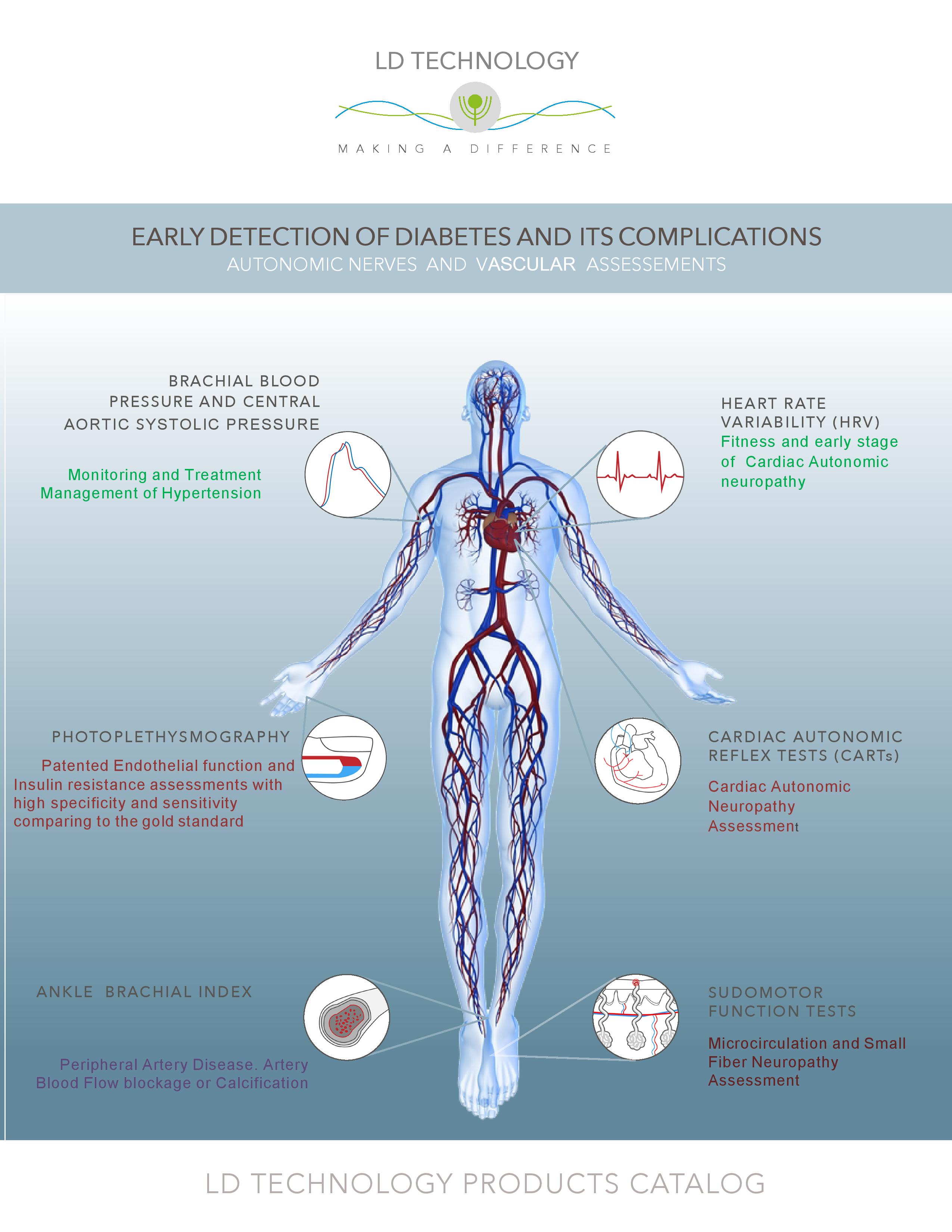
Sudomotor dysfunction is defined as decreased sudomotor activity. The pathological state known as sudomotor dysfunction is the earliest clinically detectable stage of sympathetic autonomic neuropathy and peripheral distal neuropathy.
Sudomotor dysfunction is often asymptomatic. Reduced C – Fiber density and/or microcirculatory disorders may be associated with chronic pain, decreased peripheral blood flow with cold extremities and/or tingling in the toes. Nerve conduction studies assess A and B nerve fibers and do not test for the C fibers that are implicated in diabetic neuropathies.
The Autonomic Nervous System Testing equipment is easy to use and very mobile. It’s simply plugged in to the laptop provided through the USB port and runs through proprietary software.
Dependent on the equipment chosen, a rapid evaluation of sudomotor function is performed or sudomotor and heart rate variablility (HRV) and arterial elasticity.
The test is non invasive, has high patient acceptance and requires no specialized training to operate the equipment. The testing takes no longer than 7 minutes and provides valuable insights into patient health and wellness through the detailed information and the easy to interpret color coded report.
With ANS testing, sudomotor function is assessed and in addition the patient performs some simple breathing exercises that affect the HRV.The report enables the physician to determine any further testing required and course of treatment.
This is a doctor discussing how the equipment has benefited their practice.
Testing patients when they are diagnosed with Type II diabetes and then at regular intervals in the following years can detect Sudomotor and Autonomic Dysfunction and greatly improve your patients’ clinical outcomes.

Your Certified Ancillary Consultant will work with you to determine the best Autonomic Nervous System testing solution for your practice. If you would like to finance this equipment, AMS also offers easy equipment financing solutions.
Suggested CPT Codes:
Suggested ICD-10:
We are able to offer a ANS service that eliminates the need for purchase of the equipment to suitably qualified practices.
1) Determine if equipment or a service model is best for your practice.
2) Learn how to use your new equipment with our assistance.
3) Begin to test your patients when they are diagnosed with Type II diabetes and at regular intervals going forward.
4) The Galvanic Skin Test delivers easy-to-read results, enabling patients to get ahead of the serious complications of neuropathy.

Peripheral Neuropathy is common. It’s estimated that upwards of 20 million Americans suffer from this illness and can occur at any age, but is more common among older adults. A l999 survey found that 8-9% of Medicare recipients have Peripheral Neuropathy as their primary or secondary diagnosis. The annual cost to Medicare exceeds $3.5 billion.
Peripheral neuropathy has always been present, but has not received much attention. Its extent and importance have not yet been adequately recognized, and is apt to be misdiagnosed or thought to be merely a side effect of another disease like diabetes or cancer or kidney failure. The development of new therapies has unfortunately been slow and under-funded.
There are many causes of neuropathy. Approximately 30% of neuropathies are “idiopathic,” or of an unknown cause. In another 30% of cases, the cause is diabetes. Other neuropathy causes include autoimmune disorders, tumors, heredity, nutritional imbalances, infections or toxins.
Some types of peripheral neuropathy can be cured, and while most cannot, many can still be helped. Therapy is directed at treating the underlying disease and at improving the symptoms with the right medications. An experienced neurologist can help patients feel more comfortable, and their quality of life can be greatly improved. It is extremely important to get to an experienced neurologist as soon as you
notice the symptoms before the disease has a chance to cause extensive,
permanent damage.
Autonomic Nervous System Testing simply makes sense for your practice and your diabetic patients. Insurance recognizes the need for proactive neuropathy testing and Galvanic Skin Response testing, using CPT code 95923 and others. At the average reimbursement rate of $300 per test.
Grow your practice and offer your patients proactive testing to ensure their continued health and wellness.